
low e insulated glass panels
Understanding Pressure Control Valve Types Pressure control valves are critical components in various industrial applications, ensuring the safe and efficient operation of systems that use liquids or gases. These valves play a vital role in maintaining the pressure levels within desired limits, protecting equipment from damage and optimizing performance. This article explores the different types of pressure control valves, their functions, and applications. 1. Relief Valves Relief valves are designed to protect systems from overpressure. When the pressure in a system exceeds a predetermined limit, the relief valve opens to release excess pressure, allowing fluid to escape. This function is crucial in preventing accidents and damage to pipelines, vessels, and other equipment. Relief valves are commonly used in applications like boilers, pressure vessels, and hydraulic systems. They can be categorized into two main types spring-operated and pilot-operated relief valves. Spring-operated valves use a spring mechanism to maintain pressure, while pilot-operated valves utilize a smaller control valve to manage larger flows, making them suitable for high-pressure applications. 2. Regulating Valves Regulating valves, also known as pressure reducing valves, maintain a consistent downstream pressure regardless of variations in the upstream supply. They are essential in systems where pressure control is vital for proper operation, such as in gas distribution, water supply networks, and various process industries. The primary function of a regulating valve is to reduce the inlet pressure to a predetermined level, ensuring that equipment downstream operates safely and efficiently. These valves can be further classified into diaphragm-type, piston-type, and electronic pressure regulators, each offering unique advantages depending on the specific application. 3. Back Pressure Valves pressure control valve types Back pressure valves are utilized to maintain pressure in a pipeline by creating a back pressure condition. They are particularly useful in applications where pressure needs to be controlled upstream of the valve. These valves can prevent cavitation in pumps and maintain system stability, ensuring that processes operate without interruption. Back pressure valves are commonly seen in chemical processing, oil and gas, and wastewater management systems. 4. Safety Valves Safety valves are similar to relief valves but are specifically designed to ensure safety in operations. They automatically release pressure when it exceeds a specific threshold, preventing catastrophic failures. Safety valves are typically found in applications where the stakes are high, such as in nuclear power plants and high-pressure gas systems. Like relief valves, safety valves are crucial for maintaining the integrity of the system and ensuring operational safety. 5. Control Valves While not exclusively pressure control valves, control valves are integral to pressure management in a system. These valves adjust flow rates to regulate pressure, using actuators and control systems for precise monitoring and adjustment. Control valves are extensively used in various industries, including petrochemical, water treatment, and HVAC systems. Conclusion Pressure control valves play an essential role in ensuring the safety and efficiency of industrial processes. With various types, including relief valves, regulating valves, back pressure valves, safety valves, and control valves, each serves specific functions to manage and maintain pressure levels effectively. Understanding these valve types and their applications is crucial for engineers and operators working within industrial settings, as it helps in selecting the right valve that suits the operational needs and enhances system reliability. Proper maintenance and selection of these valves ensure not only the safety of infrastructure but also maximizes operational efficiency across various industries.
about
low e insulated glass panels
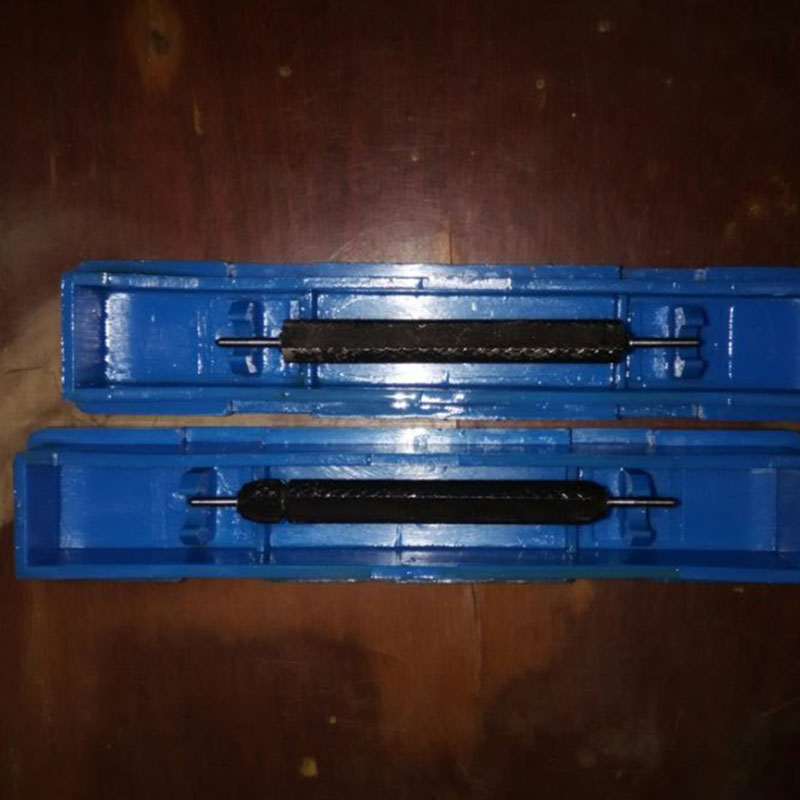
Understanding Screw Plug Gauges A Comprehensive Overview Screw plug gauges are essential tools used in the field of precision engineering and manufacturing. These gauges serve a crucial role in quality control, ensuring that threaded components meet specified tolerances. This article delves into the design, application, and significance of screw plug gauges in industrial practices. What is a Screw Plug Gauge? A screw plug gauge is a specialized measuring tool that checks the internal threads of holes. It is designed to fit precisely into threaded openings, allowing for the evaluation of the thread's pitch, diameter, and overall quality. The gauge typically comes in two variants the 'Go' gauge and the 'No-Go' gauge. - Go Gauge This component checks if the thread dimensions are within acceptable tolerances. If the gauge fits into the threaded hole smoothly, it indicates that the dimensions are correct. - No-Go Gauge Conversely, this gauge ensures that the thread has not exceeded specified limits. If the No-Go gauge fits, it implies that the thread is out of tolerance, necessitating further inspection or rework. Design and Construction Screw plug gauges are typically made from high-strength materials like hardened steel or carbide to withstand wear and maintain accuracy over time. Their design usually includes a handle for easy operation and a threaded portion that mimics the standards of the screw being tested. The accuracy of plug gauges is paramount. They must conform strictly to international standards such as ISO, ANSI, or JIS depending on the region and application. The calibration of these gauges is also crucial; routine checks and adjustments are necessary to ensure their effectiveness. Applications in Industry Screw plug gauges find extensive use across various industries screw plug gauge 1. Automotive Manufacturing In automotive production, precise threading is vital for components such as engine blocks and transmission systems. Screw plug gauges help manufacturers maintain consistency in these critical components. 2. Aerospace Engineering The aerospace sector demands the highest levels of precision due to safety and performance requirements. Screw plug gauges are used to inspect parts like landing gear and fuselage attachments, ensuring that all components meet stringent regulations. 3. General Manufacturing Beyond specialized industries, screw plug gauges are used in many general manufacturing processes. They help in the production of everyday items, ranging from household appliances to industrial machinery. Benefits of Using Screw Plug Gauges Utilizing screw plug gauges offers numerous benefits - Precision They provide accurate measurements of internal threads, ensuring that components fit together as intended. - Quality Assurance Regular use of these gauges can significantly reduce the likelihood of defects, leading to higher quality products and less waste. - Cost-Effective Production By ensuring adherence to design specifications from the start, companies can avoid costly rework and delays in production. Conclusion Screw plug gauges play an indispensable role in modern manufacturing processes. Their ability to ensure accurate threading makes them vital for maintaining quality and consistency in high-stakes industries such as automotive and aerospace. By investing in reliable screw plug gauges and adhering to rigorous calibration practices, manufacturers can enhance their production efficiency and deliver high-quality products. Understanding the intricacies of screw plug gauges is essential for professionals in engineering and quality control. As industries continue to evolve, embracing precision tools like screw plug gauges will remain vital for innovation and excellence in manufacturing. In an increasingly competitive market, ensuring the longevity and reliability of products through stringent quality checks is not only advisable but necessary for success.
-

High quality industrial productsagement

High quality industrial products
View Details -

Meet the diverse needs of customers

Meet the diverse needs of customers
View Details -

Strict quality control

Strict quality control
View Details -

Top raw materials

Top raw materials
View Details -

Trusted supplier

Trusted supplier
View Details
Our application


news and information
Wholesale Valve Selection_ How to Choose the Right Types of Water Valves for Commercial Plumbing
Water valves are essential components in plumbing and industrial systems, controlling the flow and p

Using a Level to Align a Marking Ruler for Precision Measurements
marking ruler with spirit level .
Water Cut Off Valve - Comprehensive Guide and Best Practices
Understanding Water Cut-Off Valves Their Importance and Functionality Water cut-off valves are essen
 English